

 By
By 
Chronic back pain is one of the most common health problems affecting adults today. It can make simple daily activities feel difficult and exhausting. From sitting at a desk to walking, lifting, or even sleeping, ongoing back pain can reduce comfort and quality of life. The good news is that surgery is not always necessary. Many people find relief through safe and effective non-surgical treatments.
Understanding the available options can help patients take control of their health and improve their daily lives.
Physical Therapy and Gentle Exercise
Physical therapy is often one of the first treatments doctors recommend for chronic back pain. A trained therapist can guide patients through stretches and exercises designed to strengthen the muscles that support the spine.
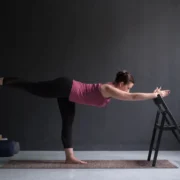
Gentle movement can improve flexibility, reduce stiffness, and lower pressure on the back. Walking, swimming, and yoga are also helpful for many people. Staying active may feel difficult at first, but regular movement often reduces pain over time.
It is important to follow exercises carefully and avoid activities that place too much strain on the body.
Improving Posture and Daily Habits
Poor posture is a major cause of long-term back pain. Sitting for many hours, lifting objects incorrectly, and sleeping in uncomfortable positions can place stress on the spine.
Small lifestyle changes can make a big difference. Using a supportive chair, adjusting computer screens to eye level, and taking breaks during the day may help reduce discomfort. Maintaining a healthy weight is also important because extra weight can increase pressure on the lower back.
Simple habits practiced every day can support long-term spinal health.
Pain Management Treatments
For some people, physical therapy and lifestyle changes may not be enough to fully manage pain. In these cases, doctors may recommend advanced pain management treatments.
One option that many patients explore is epidural injections for back pain Bergen County specialists may provide as part of a personalized treatment plan. These injections are designed to reduce inflammation around irritated nerves and provide temporary pain relief. When combined with physical therapy and healthy habits, they may help patients move more comfortably and continue daily activities.
Pain management plans are different for every patient, which is why professional medical guidance is important.
Heat, Cold, and Relaxation Techniques
Simple home treatments can also help ease chronic back pain. Heat therapy may relax tight muscles and improve blood flow, while cold packs can help reduce swelling and inflammation.
Stress management is equally important. Emotional stress can cause muscle tension and make pain feel worse. Relaxation methods such as deep breathing, meditation, and massage therapy may help both the body and mind feel calmer.
Creating time for rest and self-care is an important part of healing.
Staying Positive During Recovery
Living with chronic back pain can feel frustrating, especially when progress seems slow. However, many people successfully manage their symptoms without surgery. The key is patience, consistency, and working closely with healthcare professionals.
Every small improvement matters. Whether it is walking a little farther, sleeping better, or returning to favorite activities, these steps can build confidence and motivation.
With the right treatment plan and healthy lifestyle choices, it is possible to reduce pain, improve movement, and enjoy a better quality of life. Chronic back pain does not have to control the future.



















Comments