

 By
By 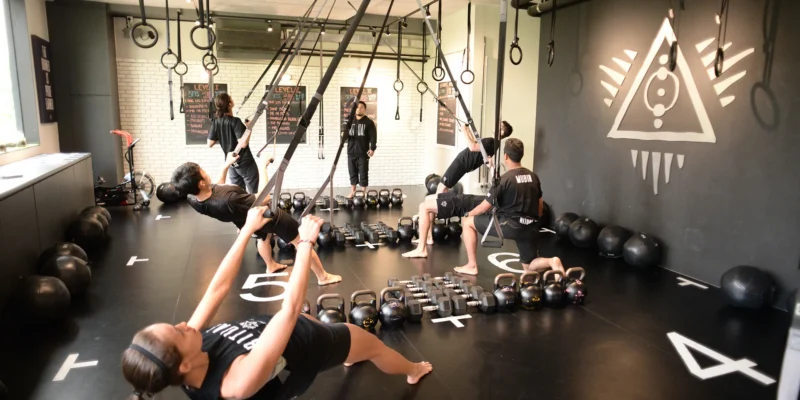
The relationship between work, health, and fitness has evolved significantly in Singapore over the past decade. As the workforce becomes increasingly health-conscious, more individuals are turning to professional fitness facilities to maintain physical and mental well-being. Visiting a gym Singapore is no longer viewed as a luxury but as a necessity for sustaining energy, improving focus, and managing stress in demanding work environments.
The Shift Toward Preventive Health and Fitness
Singaporeans are now more proactive about managing their health. Instead of waiting for medical issues to appear, they use gym memberships to prevent them. This shift is influenced by several factors, including rising healthcare awareness, higher stress levels from corporate jobs, and easier access to quality gyms across the island.
Corporate culture also plays a big role. Many offices now promote wellness initiatives, encouraging employees to participate in gym sessions or lunchtime workouts. These small changes have made fitness an integrated part of daily routines, not just an occasional activity.
Why Gyms Appeal to the Singapore Workforce
Modern professionals in Singapore value time and results. Gyms offer structured environments where individuals can achieve measurable fitness goals efficiently.
Some of the main reasons professionals prefer gyms include:
-
Convenience: Many gyms operate late or even 24 hours, accommodating long work schedules.
-
Accountability: Personal trainers and group classes help members stay consistent.
-
Variety: Access to strength training, cardio, HIIT, and yoga in one place saves time.
-
Community: Networking and social connections often form in fitness spaces, enhancing motivation.
These factors explain why gym memberships are rising steadily among both young professionals and senior executives.
The Role of Mental Health in Gym Attendance
In recent years, awareness of mental health has grown in Singapore. The gym has become more than a place for physical transformation; it’s now recognised as a stress management tool. Regular workouts release endorphins, which boost mood and reduce anxiety levels.
Many Singaporeans describe their gym sessions as a mental reset after long hours of screen exposure and high-pressure deadlines. The act of lifting weights, cycling, or participating in group fitness classes provides structure and emotional stability in a fast-paced city.
Fitness Habits Shaped by Singapore’s Urban Lifestyle
The urban setting influences how people in Singapore approach fitness. With compact living spaces and high-rise buildings, most residents prefer structured indoor exercise environments. Air-conditioned gyms provide comfort from the tropical humidity, allowing longer, more effective sessions.
Some common patterns seen among professionals include:
-
Shorter, more frequent workouts such as 45-minute lunchtime sessions.
-
Interest in data-driven progress through fitness apps and wearable technology.
-
Strong preference for clean, well-equipped gyms near offices or MRT stations.
These habits show that convenience and accessibility are just as important as motivation when it comes to maintaining consistency.
Balancing Work Commitments and Fitness Goals
One of the biggest challenges Singaporeans face is finding time to train regularly. High expectations at work often lead to skipped workouts. However, companies and individuals are finding creative solutions.
For example:
-
Employers partner with nearby gyms to offer discounted memberships.
-
Some offices have on-site fitness zones or shower facilities.
-
Professionals use mobile apps to schedule classes or book trainers around meetings.
This balance between career and wellness is becoming a defining feature of Singapore’s modern workforce.
Why Structured Training Works Better for Professionals
For busy individuals, structured training programmes yield better results than random workouts. Personal trainers design customised routines that align with energy levels, body types, and specific goals such as posture correction or injury prevention.
Structured routines also enhance accountability. Tracking performance weekly helps professionals maintain focus, much like monitoring results at work. This parallel between professional progress and fitness discipline resonates strongly in Singapore’s result-oriented culture.
The Connection Between Nutrition and Gym Performance
Exercise alone cannot achieve full wellness. Singapore’s professionals are learning that nutrition plays a crucial role in reaching fitness milestones. Balanced meals, adequate hydration, and mindful eating support muscle recovery and improve energy during demanding workdays.
More gyms now collaborate with nutritionists to provide meal planning guidance. This integration of diet and exercise ensures that members can sustain progress without burnout or fatigue.
Group Workouts and Social Wellness
Group fitness classes have gained popularity because they provide community support. For professionals who spend long hours in front of screens, the gym becomes a social space where they can reconnect with others in a productive way.
Popular group formats include spin, circuit training, and functional workouts that encourage collaboration. These sessions not only promote physical health but also boost morale and reduce the sense of isolation common in urban work environments.
Digital Integration: How Technology Enhances the Gym Experience
The rise of digital tools has transformed how professionals approach training. Mobile apps now track calories, steps, and sleep quality. Smart gym equipment records repetitions and progress automatically.
These innovations allow members to monitor their health metrics, set realistic goals, and celebrate achievements. Data visibility has made fitness more measurable and satisfying for Singapore’s analytical, tech-savvy population.
Why True Fitness Singapore Appeals to Professionals
True Fitness Singapore stands out as a preferred destination for professionals seeking both quality and convenience. With modern facilities, certified trainers, and diverse class options, it caters to the needs of those balancing demanding schedules. The focus on holistic fitness and member experience aligns with the lifestyle of Singapore’s working population.
Long-Term Impact of Gym Commitment
Consistent gym attendance influences every aspect of a professional’s life. Improved stamina, better posture, and enhanced concentration translate into greater productivity at work. Over time, fitness becomes part of identity rather than a temporary goal.
Singapore’s evolving gym culture proves that maintaining physical health is deeply connected to professional success and life satisfaction.
FAQs
Q1: How often should a busy professional in Singapore visit the gym?
A: Most working professionals benefit from 3 to 5 sessions per week. Shorter, focused workouts of 45 to 60 minutes fit well into tight schedules while ensuring progress.
Q2: What types of workouts are best for office workers?
A: Strength training, mobility exercises, and cardiovascular workouts are ideal. These help correct posture, reduce fatigue, and improve endurance.
Q3: How can gym workouts improve productivity at work?
A: Regular exercise boosts energy levels, enhances focus, and reduces stress hormones. These improvements lead to sharper decision-making and better time management.
Q4: What is the best time of day for professionals to work out in Singapore?
A: Early morning or post-work sessions are most common. Morning workouts help set a positive tone for the day, while evening sessions relieve work stress.
Q5: Are corporate gym memberships worth it?
A: Yes, they promote accountability and consistency. Many employers subsidise gym memberships, which increases attendance and overall employee well-being.
Q6: How can someone maintain motivation for long-term gym attendance?
A: Setting clear, measurable goals and tracking progress helps. Joining classes, working with a trainer, or finding a workout partner can sustain interest over time.
Q7: What are some ways to stay active on days when you cannot go to the gym?
A: Professionals can do quick home workouts, take brisk walks, or use standing desks. Consistency matters more than duration, so even small movements make a difference.








Comments